


11 Jul Heavy Cast Iron Scrap Collection in Singapore: How Doorstep Pickup Works
If you’ve got an old cast iron bathtub, a machine base, or a stack of iron pipes sitting around and no way to move them, you’re in a specific kind of stuck. It’s too heavy to carry down yourself, too big for the lift lobby, and most people assume no one wants it anyway. That last part isn’t true. Cast iron is scrap metal, and scrap metal has value regardless of how ugly or rusted it looks. The real problem isn’t whether it’s worth anything. It’s finding someone who’ll actually come and take it away.
That’s what this article covers: what counts as cast iron, whether it’s worth collecting, and how a doorstep collection for something heavy actually works in Singapore.
Sell at Karung-guni: https://karung-guni.com/karung-guni-sell/
What Counts as Cast Iron (And How to Tell)
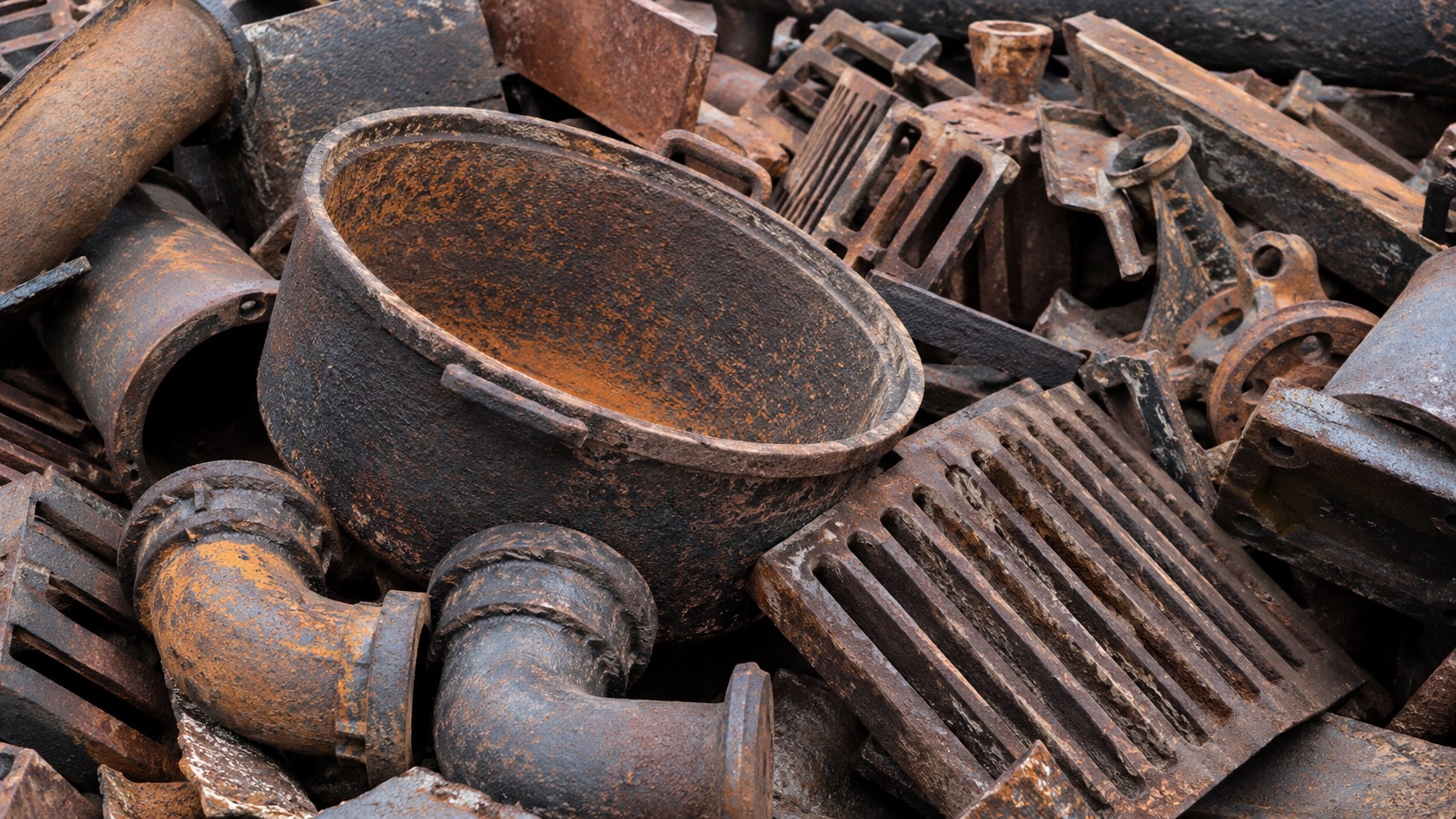
Cast iron is a ferrous, or iron-based, metal alloy. It’s brittle rather than bendy, which is why it cracks instead of dents, and it’s almost always cast into a shape rather than rolled or welded like sheet steel. You’ll usually recognise it by a rough, slightly grainy surface texture left over from the sand mould it was poured into.
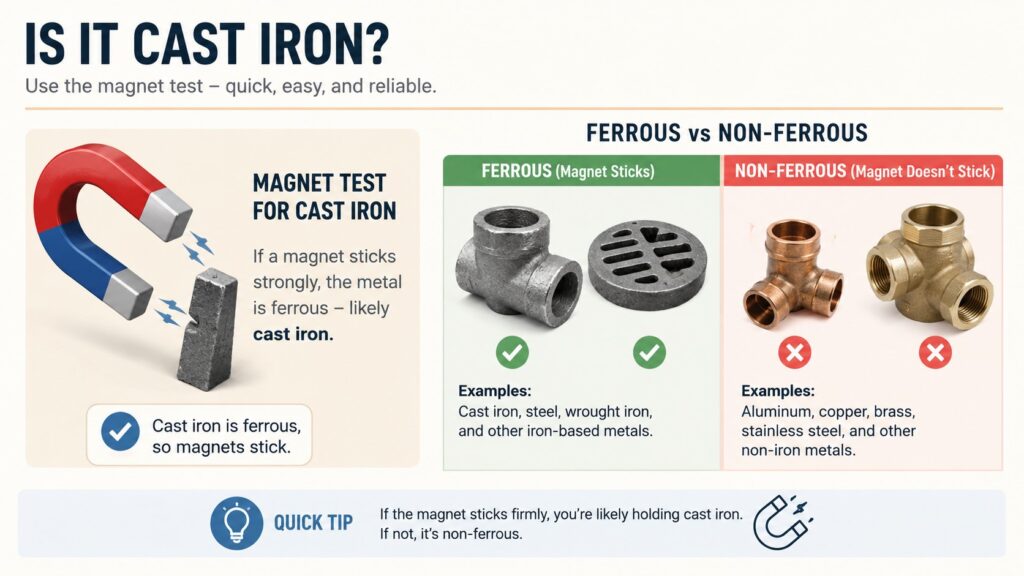
The quickest way to check if something is cast iron: hold a magnet to it. Cast iron is magnetic. If the magnet sticks firmly, you’re dealing with a ferrous metal, which is the category that includes cast iron and steel. If the magnet barely grips or doesn’t stick at all, you’re probably looking at a non-ferrous metal like aluminium, brass, or copper, which are priced and handled differently.
Common household and worksite items that contain heavy cast iron:
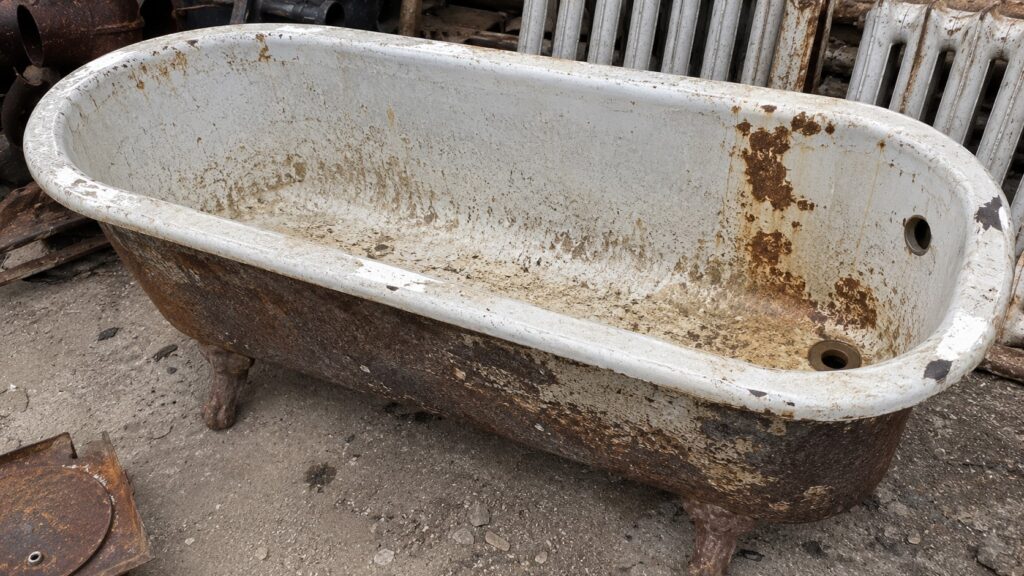
- Old bathtubs (pre-1990s units, especially in older landed homes)
- Radiators (rare in Singapore, but present in some older colonial-era properties)
- Manhole covers and drain grates
- Cast iron pipes and fittings pulled during renovation
- Machine bases and equipment housings
- Engine blocks
- Wood-burning stove bodies
- Large cast iron cookware sets (woks, pots, griddles)
- Gates, grille frames, and railings
If in doubt, a photo is usually enough for a collector to tell you what you’ve got. You don’t need to identify it perfectly yourself before reaching out.
Is Heavy Cast Iron Actually Worth Selling?
Yes, but the value depends on weight, not condition. This is the part people get wrong most often. A rusty cast iron bathtub isn’t worthless just because it looks bad. Scrap buyers care about the metal content and total weight, not whether it’s clean or shiny. Cosmetic rust on the surface doesn’t usually change what a collector is willing to pay, since the metal underneath is still recoverable.
What does affect the offer:
- Total weight. Heavier items generally mean a higher payout, since scrap metal is priced by weight.
- Purity. An item that’s pure cast iron is easier to value than one bolted to wood, rubber, or other materials that need to be separated first.
- Market conditions. Scrap metal prices move with global commodity markets, the same way steel and iron prices shift internationally. A collector can only give you an accurate number once they know current rates and have seen your item, so treat any number you find online as a rough guide rather than a quote.
If you’re weighing whether it’s worth the effort, the honest answer is: for anything genuinely heavy, like a bathtub, machine base, or a decent bundle of pipes, it’s almost always worth a quick photo and a message rather than assuming it’ll cost you money to dispose of.
How Heavy Cast Iron Collection Actually Works
This is different from a typical small-item karung guni pickup, where someone might collect a stack of newspapers or an old laptop off your doorstep in a few minutes. Heavy cast iron needs a bit more coordination because of the weight and, sometimes, the access involved. Here’s the general flow:
- Send photos. Snap a few clear photos of the item, including its general size for scale (next to a door, a person, or a common object helps).
- Get a quote. Based on the photos, you’ll get an estimated offer. This isn’t always final, since weight can only be confirmed once the item is actually collected and weighed.
- Schedule a pickup. Once you accept, a collection is arranged at a time that works for you.
- On-site weighing. The item is weighed on-site using a scale, which confirms the final payout.
- Get paid on the spot. Payment happens immediately after collection, no waiting around for a bank transfer or invoice.
For something like a single cast iron pot, this whole process might happen in one message exchange. For something like a machine base bolted to a factory floor or an engine block still in a vehicle frame, expect a bit more back-and-forth to figure out access and whether any dismantling is needed first. Very large industrial items sometimes require special arrangement rather than a same-day pickup, so it’s worth flagging site conditions honestly when you first reach out.
Worth noting: on Karung Guni Singapore’s item form, most household scrap categories are collected free, but bulky furniture disposal is listed as a paid-fee service. Heavy cast iron pieces sit in a bit of a grey zone depending on size and how much labour is involved in getting them out, so it’s best to just describe what you have honestly when you submit photos rather than guessing which category applies.
Sell at Karung-guni: https://karung-guni.com/karung-guni-sell/
Preparing Your Item for Collection
You don’t need to do much, and you definitely don’t need to clean it. A few things that do help:
- Make sure it’s accessible. If it’s buried under renovation debris or blocked by other furniture, clear a path so it can actually be moved out.
- Separate non-metal attachments where it’s safe to do so. Wooden handles, rubber seals, or plastic fittings bolted to a cast iron item can be removed if it’s easy and safe, since mixed materials sometimes affect how an item is assessed. Don’t force anything or hurt yourself trying to strip a part down.
- Flag anything unusual when you message. If the item is on an upper floor with no lift access, bolted to a floor, or part of a larger structure, mention it upfront so the collection can be planned properly.
Common Mistakes People Make
Assuming small or single items aren’t worth a trip. A single cast iron item might seem too minor to bother a collector with, but most operators would rather know about it than have you assume it’s not worth mentioning. If you’ve got other scrap lying around too, like old copper wiring or aluminium, mention everything at once so it can be collected in one visit.
Assuming rust or age means no value. As covered above, this isn’t how scrap pricing works. Weight and metal type matter more than appearance.
Trying to break down oversized items alone. If you’ve got a machine base or something bolted into place, don’t attempt to dismantle it yourself before checking with a collector first. Ask whether on-site collection with the right equipment is possible instead of risking injury or damaging the item in a way that affects its value.
Confusing cast iron collection with bulky furniture disposal. A sofa or wardrobe is a different category entirely; these are typically rejected by scrap collectors and instead handled through Town Council bulky item disposal, since they hold little to no resale value. Cast iron is a different story because it’s an actual recoverable metal.
Cast Iron Collection vs Other Disposal Options
If you’re weighing your options, here’s roughly how the main routes compare for something heavy like a cast iron bathtub or machine part.
| Option | Cost to You | Effort | Payout |
|---|---|---|---|
| Doorstep scrap collection | Usually free (fee may apply for very bulky/awkward items) | Low — send photos, schedule pickup | Cash paid on collection |
| Self-haul to a scrap yard | Free to sell, but you cover transport | High — you need a vehicle and manpower to move something heavy | Cash, typically similar per-kg rate |
| Town Council bulky item collection | Free (for HDB residents, limited times per month) | Low, but requires advance booking | None — this is disposal, not sale |
For anything you genuinely can’t lift or transport yourself, doorstep collection is usually the path of least resistance, since it combines the “someone else moves it” convenience of Town Council disposal with the “you get paid” upside of a scrap yard trip.
What Else Karung Guni Singapore Collects
Cast iron is just one category. If you’re clearing out a home, office, or worksite, it’s worth knowing what else falls under the same doorstep collection service. Karung Guni Singapore also handles general scrap metal, old electronics, and paper waste through the same free pickup model described above. You can read more about how the general scrap collection and pickup process works if you have a mix of items beyond just cast iron.
If you’re clearing an office or worksite rather than a home, related guides on office e-waste collection and corporate laptop recycling may also be useful, since larger cleanouts often involve more than one type of scrap.
Frequently Asked Questions
Does a rusty cast iron item still have value? Yes. Scrap value is based on metal type and weight, not surface condition. Surface rust doesn’t change the amount of recoverable iron in the item.
Do I need to dismantle a heavy cast iron item before collection? Not usually. If it’s a large, fixed piece like a machine base, mention this when you first reach out so the collector can plan the right approach rather than expecting you to break it down yourself.
Is there a minimum weight for cast iron collection? There’s no strict cutoff, but very small or light pieces are best bundled with other scrap metal you might have, so it’s worth mentioning everything you’re clearing out in one go.
Will collectors come to a landed house, HDB, or worksite? Doorstep collection generally covers all three. Access and floor level are worth mentioning upfront, especially for something heavy with no lift access.
What’s the difference between this and Town Council bulky item collection? Town Council collection is a free disposal service, but it doesn’t pay you and won’t take recoverable scrap metal like cast iron for its value. A scrap collector picks up the same item, but treats it as sellable material and pays you for it.
Getting Your Item Collected
If you’ve got a heavy cast iron item taking up space, whether it’s a bathtub from a renovation, an old machine part, or a stack of pipes, the easiest next step is to send a few photos through the item listing form. You’ll get a quote back, and if it works for you, collection is scheduled around your availability with payment on the spot. You can also reach out directly via WhatsApp if you’d rather just describe what you have and go from there.
Sell at Karung-guni: https://karung-guni.com/karung-guni-sell/
No Comments