


22 Jul How to Sell Insulated Copper Cables in Singapore (And Get a Fair Price)
Do you have old wires sitting around your house or office? Maybe you just finished a renovation. Maybe you cleaned out a storeroom. Maybe an old appliance broke and you cut the cord off before throwing it away. Whatever the reason, you now have a pile of copper cable and no idea what to do with it.
Here’s the good news: that cable is worth money. Copper is one of the most valuable metals you can recycle. But not all cable is priced the same way, and if you don’t know how it works, you might get less money than you should.
This guide will explain everything in simple words. By the end, you’ll know how cable is priced, how to get it ready to sell, what mistakes to avoid, and how to sell it without leaving your house.
What Is Insulated Copper Cable?
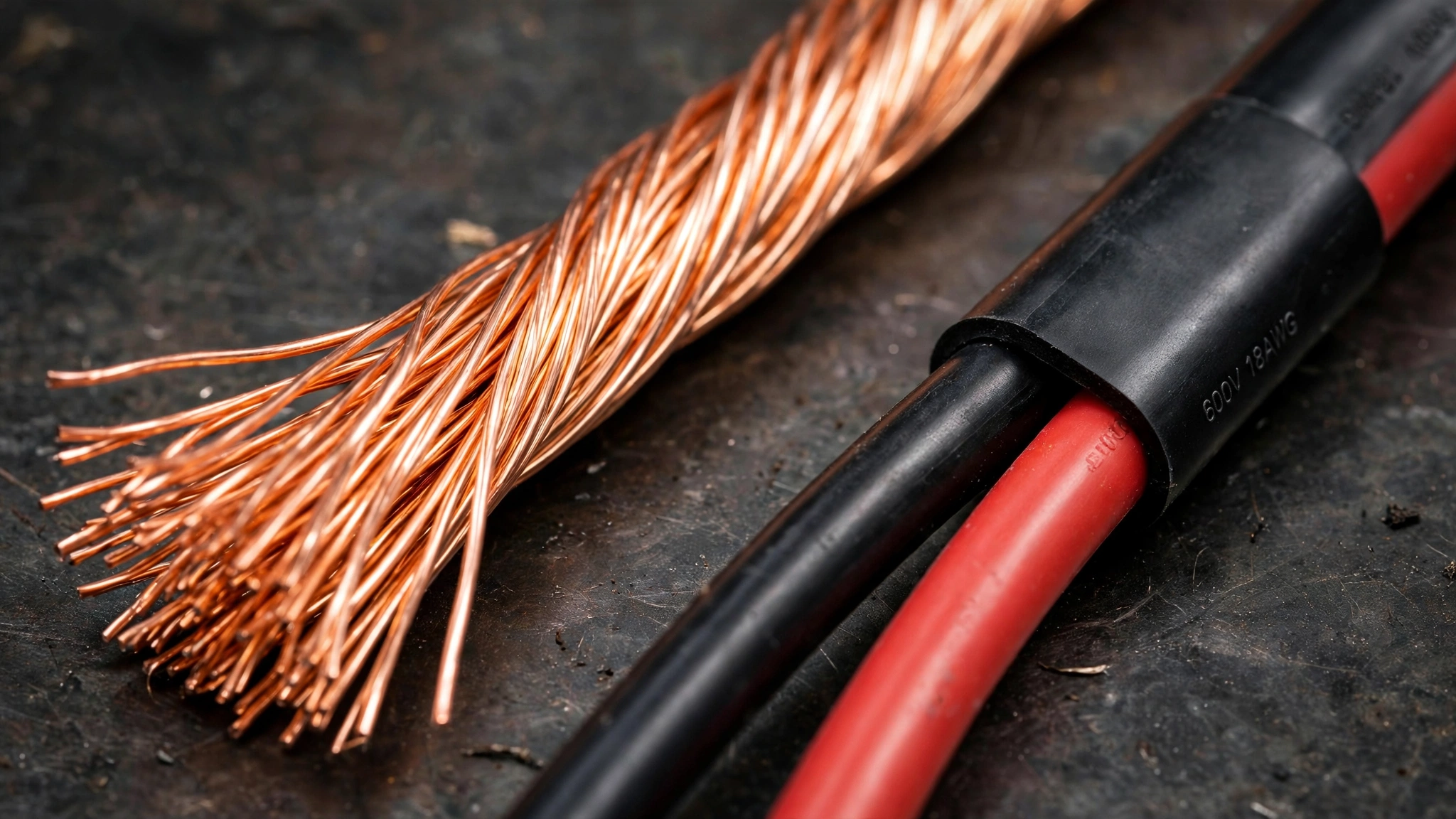
Insulated copper cable is just a fancy way of saying “wire with a plastic or rubber coating around it.” The copper wire is the metal part inside. The coating around it is called insulation. It’s usually made of PVC (a type of plastic) or rubber.
You’ll find this kind of cable almost everywhere:
- Old extension cords
- Wiring pulled out during house or office renovations
- Wires from broken appliances
- Leftover electrical wiring from construction jobs
- Old computer or network cables
If you’re not sure whether something counts, just remember this: if it has a metal wire inside and a colored plastic or rubber layer around it, it’s insulated copper cable.
Why Insulated Cable Sells for Less Than Bare Copper
This is the part most people don’t know, and it’s the most important thing to understand before you sell anything.
Scrap buyers pay for copper by weight. But insulation isn’t copper. It’s plastic or rubber, and it weighs something too. So when a buyer weighs your cable, part of that weight isn’t even metal.
This is why insulated cable is priced lower per kilogram than “bare bright” copper, which means clean, shiny copper wire with no coating at all. The buyer has to remove the insulation before they can sell the copper to a smelter, and that work costs money and time.
Here’s a simple table to help you understand the difference:
| Type of Copper | What It Looks Like | Typical Price Level | What Affects the Price |
|---|---|---|---|
| Bare Bright Copper | Clean, shiny wire with no coating | Highest | Purity, no dirt or paint |
| Insulated Copper Cable | Wire with plastic or rubber coating still on | Lower than bare bright | Insulation thickness, wire gauge, how much copper is actually inside |
| Mixed or Contaminated Cable | Cable mixed with other metals, dirt, or non-metal parts | Lowest | Needs sorting before it can be priced properly |
The main idea: the more “pure” and clean your copper is, the more it’s worth. Insulation lowers the value a little, but it’s still worth selling.
Should You Strip the Insulation Yourself?
A lot of people ask this question, and it makes sense. If bare copper sells for more, why not strip the plastic off first?
Here’s the honest answer: for most people, it’s not worth it.
Stripping insulation by hand takes a long time, especially if you have a lot of cable. Unless you have special tools made for this job, you’ll spend hours for a small difference in price.
There’s also something important you should know: burning the insulation off cable to save time is illegal in most places, including Singapore, and it’s dangerous. Burning plastic releases toxic smoke that’s harmful to breathe and bad for the environment. Please don’t do this, even if someone tells you it’s a shortcut. It’s not worth the health risk or the legal trouble.
If you only have a small amount of cable, just sell it as-is with the insulation on. It’s simpler, safer, and still puts cash in your pocket.
What Affects the Price You Get
Buyers look at a few things when they weigh and price your cable:
1. Wire gauge (thickness) Thicker wire usually has more copper inside compared to insulation, so it can be worth more per kilogram than thin wire.
2. Type and thickness of insulation Thin insulation means more copper for the same weight. Thick or heavy insulation means less copper for the same weight.
3. How clean and sorted it is Cable that’s sorted by type and free of dirt, tape, or attached metal parts (like plugs or connectors) is easier for buyers to price fairly. Mixed piles take more work to sort, which can lower what you’re offered.
4. Overall weight Like most scrap metal, copper cable is priced by weight. The more you have, the more it adds up.
5. Market conditions Copper prices move up and down with the global market, just like other metals. The price you get today might be different next month. If you want to know the current rate, it’s best to ask a buyer directly rather than assume a fixed number.
A Simple Checklist Before You Call a Buyer
Getting ready ahead of time can help things go faster and smoother. Here’s what to do:
- Sort your cable by type (extension cords, wiring, appliance cords, etc.)
- Remove any attached plugs, connectors, or non-metal parts if possible
- Keep similar cable bundled together instead of one big mixed pile
- Estimate the total weight if you can (even a rough guess helps)
- Take a few clear photos of what you have
- Keep the cable dry and away from mud or heavy dirt
You don’t need to do all of this perfectly. Even doing a few of these steps can make the selling process smoother.
How to Spot a Trustworthy Buyer
Not every scrap buyer treats sellers fairly. Here are a few signs of a good one:
- They explain how they weigh and price your items, instead of giving a vague answer
- They give you a quote before picking anything up
- They pay you at the time of collection, not “later”
- They don’t pressure you to sell more than you want to
- They have a real business address and are easy to contact
If a buyer avoids answering simple questions or refuses to explain pricing, that’s a red flag. A good buyer should make the process feel easy and clear, not confusing.
How Selling Works With Karung Guni Singapore
If you’d rather skip the hassle of finding a scrap yard, loading up your car, and hauling everything across Singapore yourself, there’s a simpler way.
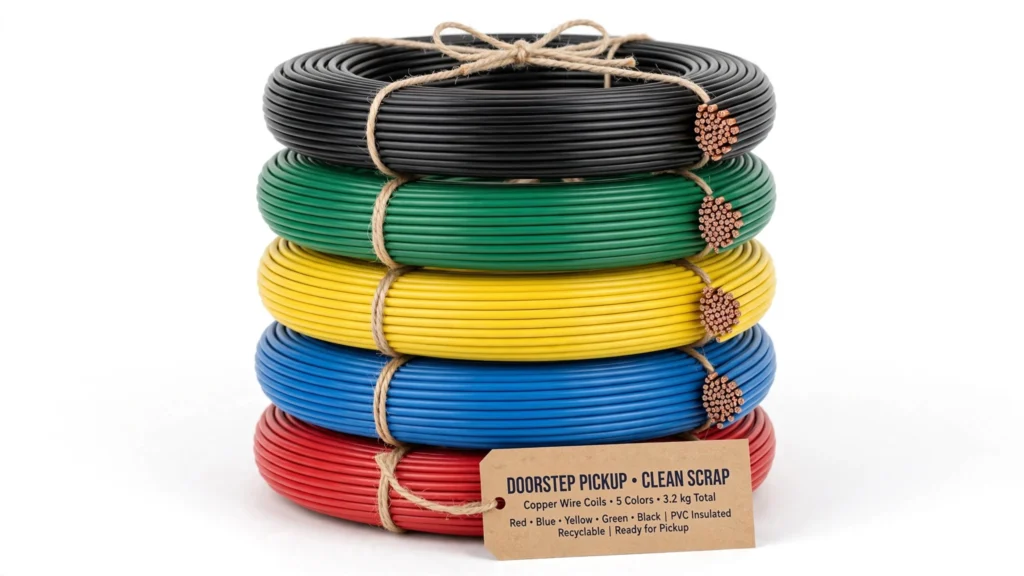
Karung Guni Singapore collects scrap metal, including copper wiring and cables, directly from your home, office, or worksite. Cables and wiring fall under their scrap metal and electrical & industrial collection categories, so you don’t need to sort out a separate buyer just for wires.
Here’s how it works, step by step:
- List your items. Go to the Sell page and describe what you have. This takes about two minutes.
- Upload a few photos. This helps them understand what you’re selling and give you an accurate quote.
- Get a quote back. They typically respond within about two hours during business hours.
- Schedule a pickup time that works for you. No need to transport anything yourself.
- Get paid on the spot. Payment happens right when they collect your items, at your doorstep.
This works for homes, offices, hotels, and schools across Singapore. If you have questions before listing anything, you can also reach out directly through WhatsApp.
Other Kinds of Scrap and E-Waste You Might Have
If you’re clearing out a house or office, copper cable is often just one part of a bigger cleanup. Here are a few related guides that might help too:
- If you’re clearing out an office space, check out this guide on office e-waste collection in Singapore
- Got old servers or IT equipment along with the cabling? Read about selling used enterprise servers in Singapore
- Removing old network switches as part of the same cleanup? Here’s a guide on selling used network switches in Singapore
- Doing a bigger IT teardown, like a server rack or data center? Take a look at data center decommissioning and scrap collection and server rack disposal in Singapore
You can also browse the full Karung Guni blog for more guides like this one, or learn more about the company on the About page.
Common Mistakes to Avoid
- Burning insulation off cable. It’s illegal and unsafe. Don’t do it.
- Mixing everything into one messy pile. Sorting even a little bit helps you get a fairer offer.
- Assuming all copper is priced the same. Bare copper, insulated cable, and mixed scrap are not equal in value.
- Not asking questions. A trustworthy buyer will always explain how they weigh and price your items.
- Waiting too long to sell. Cable doesn’t improve with age sitting in storage. It just takes up space.
Quick Recap
- Insulated copper cable is worth money, just less per kilogram than bare copper, because the insulation adds weight without adding value.
- Stripping insulation yourself is usually not worth the time, and burning it is illegal and dangerous.
- Price depends on wire gauge, insulation type, how clean and sorted it is, total weight, and current market conditions.
- Sorting your cable and taking photos ahead of time makes selling faster and smoother.
- A good buyer explains their pricing clearly and pays you at the time of collection.
- If you want to skip the hassle, Karung Guni Singapore offers free doorstep collection and pays you on the spot, no need to transport anything yourself.
Ready to clear out that pile of old wiring? List your copper cable here and get a free quote in minutes.
No Comments