


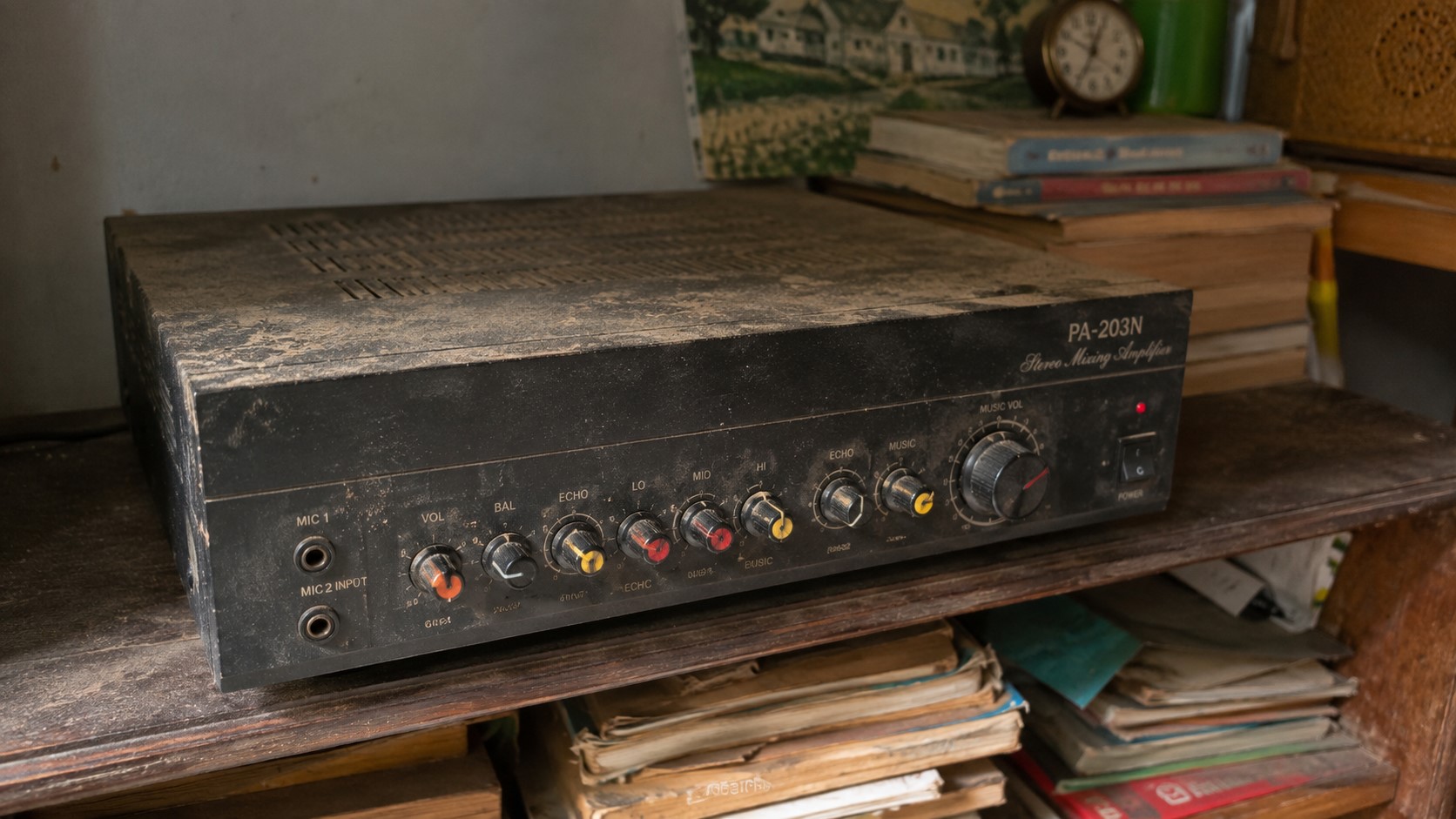
22 Aug Your Old Amplifier Still Works. Here’s Why It Still Has Value in Singapore.
Most people assume that once an amplifier is a few decades old, it’s done. Time to throw it out, right? Not really. In Singapore, used and vintage amplifiers are still very much in demand, and the one sitting in your storeroom might actually be worth something to the right buyer.
Here’s what you need to know before you decide to toss it.
Why Old Amplifiers Hold Their Value
Amplifiers are not like smartphones or laptops. They don’t become obsolete the same way. A well-built amplifier from the 1970s, 80s, or 90s can still produce the same warm, rich audio it did when it was new. In fact, a lot of audio enthusiasts actively prefer older units over modern ones.
The reason comes down to how they were built. Older amplifiers, especially Japanese brands from the vintage era, used heavy-duty components. The transformers, capacitors, and circuitry were built to last. Many of them are repairable, rebuildable, and still serviceable today.
Compare that to modern budget audio equipment. A lot of it is built to a price point, with cheaper components that are harder to fix and easier to throw away.
This is exactly why there is still a real market for used amplifiers in Singapore.
What Makes an Old Amplifier Actually Valuable
Not every old amplifier is worth the same amount. Here are the things that actually matter when it comes to determining value.
Brand
Brand is one of the biggest factors. Japanese brands from the vintage era tend to hold value well. Names like Sansui, Pioneer, Yamaha, Luxman, Marantz, and Denon are consistently searched for by collectors and audio hobbyists in Singapore. If your amplifier carries one of these names, there’s a reasonable chance someone out there wants it.
Western brands like McIntosh sit at the top of the collector market. A single unit can fetch thousands of dollars in good condition.
Working Condition
Whether the amplifier still powers on and produces sound makes a significant difference. A working unit is worth considerably more than a non-working one. That said, even faulty amplifiers have value, because some buyers are comfortable with repairs or use them for parts.
Physical Condition
Cosmetic condition matters more than most people think. Scratches, rust, missing knobs, or a cracked faceplate will lower the price. If you still have the original packaging or user manual, that can actually add value, especially for higher-end models.
Model
Some models are more sought after than others. The Sansui AU-919, for example, is a well-known collector’s piece. Yamaha’s CA series also has a following. If you know your model number, a quick search on platforms like Carousell Singapore will give you a rough idea of what similar units are going for.
On Carousell Singapore, vintage amplifiers currently range from as little as $100 for basic working units to over $2,000 for sought-after models in good condition. Premium audiophile brands like McIntosh go even higher.
The Difference Between “Old” and “Vintage”
Not every old amplifier qualifies as vintage in the collector’s sense. Generally speaking, audio equipment from the 1960s to the late 1980s tends to fall into the vintage category. The early 1990s sits in a grey area. Equipment from the 2000s onward is typically just “used” rather than vintage.
This matters because vintage equipment has a collector’s premium attached to it. Used equipment from the 2000s is priced more on its functionality and brand reputation than on any collector appeal.
If you’re not sure which category your amplifier falls into, check the model number and do a quick search. Sites like HiFiShark aggregate listings from multiple international platforms and give a good picture of what a specific model is actually selling for globally.
Why Singaporeans Are Still Buying Old Amplifiers
The local audio hobbyist community in Singapore is more active than most people realise. There are dedicated groups on Facebook and forums where enthusiasts trade, discuss, and restore vintage audio equipment regularly. Some are looking for specific models they owned in the past. Others are building setups from scratch.
Beyond hobbyists, there’s also the practical buyer, which is someone who just wants a solid, functional amplifier without spending top dollar on a new unit. A working secondhand amplifier from a reputable brand can be a much better deal than a cheap new one.
This demand is what gives your old amplifier its residual value.
What to Do With Your Old Amplifier in Singapore
You have a few options depending on what matters most to you.
Sell it yourself
Platforms like Carousell Singapore let you list directly to buyers. This usually gets you the best price, but it takes time. You’ll need to photograph it well, describe the condition honestly, and respond to inquiries. If the unit is particularly valuable, this is probably worth the effort.
Give it to a collector or audio shop
Some specialty audio shops in Singapore buy used equipment, particularly if it’s a well-known model in working condition. They’ll typically pay less than a private buyer would, but the transaction is faster and simpler.
Call a karung guni service
If you’re not interested in listing it yourself or the amplifier isn’t in great shape, a karung guni service is a practical option. Karung Guni Singapore collects used amplifiers and HI-FI sets directly from your home. You don’t need to carry it downstairs, pack it, or arrange delivery. They’ll assess what you have and offer you a price on the spot.
This is especially useful if you’re doing a general clearout and have other items to move at the same time, like an old television set, laptops or computers, or general e-waste.
Recycle it responsibly
If the amplifier is genuinely beyond use and has no salvage value, it should still be disposed of properly. Electronic waste contains materials that shouldn’t go into regular household bins. A proper metal recycling or e-waste collection service ensures the components are handled correctly.
A Quick Way to Estimate What Your Amplifier Is Worth
If you want a rough ballpark before reaching out to anyone, here’s a simple way to think about it.
Start with the brand. If it’s a recognisable Japanese or Western audio brand, you’re starting from a better position than a no-name unit.
Then check the model number and search for it on Carousell Singapore or eBay. Look at what similar units are listed for, and check the sold listings if you can. That gives you a real-world price rather than an optimistic asking price.
Factor in condition. Working and clean is worth the most. Working but worn is still sellable. Non-working but complete still has parts value for the right buyer.
If it’s a well-known model in decent condition, you might be surprised at the number.
Don’t Throw It Out Before You Check
The most common mistake people make is throwing out electronics without knowing their worth. In Singapore, where storage space is limited, the pressure to clear things out is real. But tossing a Sansui or a Yamaha amplifier that someone would happily pay good money for is an easy mistake to avoid.
Before you do anything with your old amplifier, take two minutes to look it up. If it has value, sell it or pass it on. If it doesn’t, at least make sure it gets recycled properly rather than ending up in landfill.
If you want a quick and hassle-free option, get in touch with Karung Guni Singapore. We collect amplifiers, HI-FI sets, mini compos, and other used electronics directly from your home across Singapore. No need to figure out logistics. Just tell us what you have and we’ll take it from there.
You can also check our sell page to see the full list of items we collect.
Karung Guni Singapore provides home collection services for used electronics, old appliances, scrap metal, and more across Singapore.
No Comments